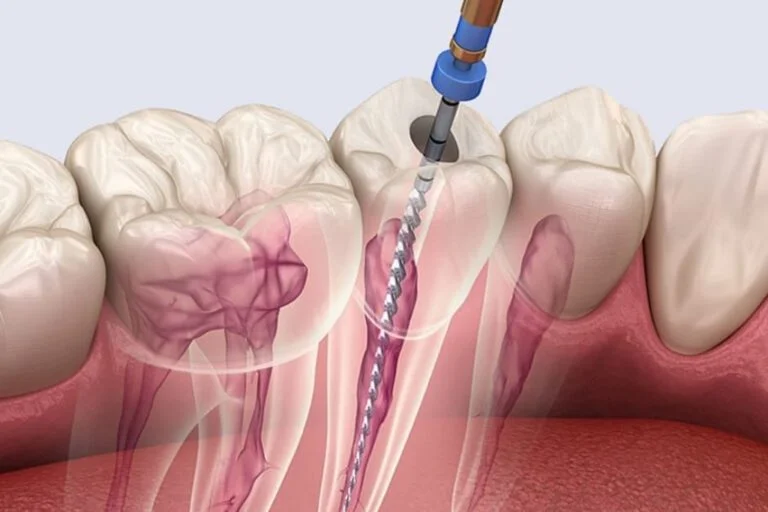
Article
Tackling Calcified and Curved Canals
Let’s be real, tackling a stubborn calcified canal is not only a nuisance, it is a true litmus test for endodontic skills.
To make it easier to handle the situation for the next case, here are a few subtle “tricks of the trade” that can help conquer these cases confidently and consistently.
Why Calcified & Curved Canals Wreck More Cases Than You Think?
Here is what one should know: up to 60% of root canal failures involve missed or inadequately treated canals, many of which are calcified or severely curved. These canals pose a triple threat:
- Hard to detect: Pulp chambers disappear like mirages on X-rays
- Hard to negotiate: Files bend, bind, or break mid-operation
- Hard to disinfect: Bacterial biofilms thrive in untouched canal recesses.
If the clinician does not tackle these challenges head-on, they might be looking at a compromised prognosis with frustrated patients.
7 Clinical Hacks to Crack Calcified Canals Without Guesswork
1. Champagne Bubble Test
The "Champagne Bubble Test" involves applying sodium hypochlorite (NaOCl) to the pulp chamber and observing for effervescence.1
Positive effervescence indicates the presence of organic tissue in hidden canals.
This test is non-invasive and requires no additional equipment, making it a practical choice in routine endodontic procedures.
2. C-Pilot Files Combined with EDTA and Microultrasound
Navigating calcified canals can be challenging. The combination of EDTA, C-Pilot files, and microultrasound can help by improving canal negotiation.2
The use of EDTA helps in chelating calcium ions, softening the calcified tissue, and, in addition, microultrasound aids in precise canal negotiation.
3. Reciprocating Motion in Curved Canals
Reciprocating motion with clockwise 140 degrees and counterclockwise 45 degrees has been proposed to reduce the risk of file separation in curved canals.3
Utilizing reciprocating systems like WaveOne Gold can enhance safety and efficiency in curved canal preparation.
4. Pre-Bending Files for Canal Negotiation
Pre-bending files is an effective yet overlooked trick in navigating calcified or curved canals.
Endodontists with years of experience recommend this for the practicality in negotiating challenging canals.
5. Tapered Access Preparation for Improved Canal Entry
Creating a tapered access cavity facilitates straight-line access to the canal system.
Wider coronal prep is standard in endodontic access preparation, which helps reduce the file stress and improves canal negotiation.
Focusing on the glide path improves file centring and minimises perforation risk.4
6. Use Warm NaOCl with Passive Ultrasonic Irrigation (PUI)
Heat sodium hypochlorite to 40°C and activate with ultrasonic agitation (e.g. IrriSafe).
Studies show that this method removed 65% more biofilm than syringe irrigation.5
7. Heat-Treated NiTi Files
Traditional stainless steel files snap under stress in curved canals. Switch to heat-treated NiTi files like HyFlex EDM or ProTaper Gold that ‘remember’ their shape but stay flexible enough to navigate bends gracefully.
Use a gentle, pecking motion with minimal force without rushing the glide path.
Mastery and Mishap
Extreme curvatures (>25°) demand respect and finesse. Here is a summary of how to stay in control:
- Always create a glide path with small hand files to reduce torsional stress on rotary instruments.
- Use a ‘crown-down’ approach, enlarging coronal thirds first to improve straight-line access.
- Opt for controlled memory NiTi files that adapt to canal curvature without forcing the shape.
- Avoid forcing files when resistance is felt. Retreat and reassess with irrigants or ultrasonic agitation.
- Be mindful of your working length at all times. Over-instrumentation risks ledging and perforation.
Final Thoughts
Managing calcified and curved canals is about strategy, not struggle. With the right tools, protocols, and insight, you can reduce failures and increase case predictability, all while preserving your confidence (and your rotary files).
References
- Mirza AJ, Faruqi FA, Moosa R. Champagne bubble test: An authentic method to find hard-to-find canals during root canal therapy. Acta Sci Dent Sci. 2021;5(10):68-71.
- Chu T, Ni X, Zhu Y. EDTA combined with C-Pilot files and microultrasound for root canal calcification: dredging effect and safety analysis. Comput Math Methods Med. 2022;2022:1911448.
- You SY, Kim HC, Bae KS, Baek SH, Kum KY, Lee WC. Shaping ability of reciprocating motion in curved root canals: a comparative study with micro-computed tomography. J Endod. 2011 Sep;37(9):1296-300.
- Lup VM, Malvicini G, Gaeta C, Grandini S, Ciavoi G. Glide path in endodontics: A literature review of current knowledge. Dent J (Basel). 2024 Aug 14;12(8):257.
- Joy J, Mathias J, Sagir VM, Babu BP, Chirayath KJ, Hameed H. Bacterial biofilm removal using static and passive ultrasonic irrigation. J Int Oral Health. 2015 Jul;7(7):42–7.
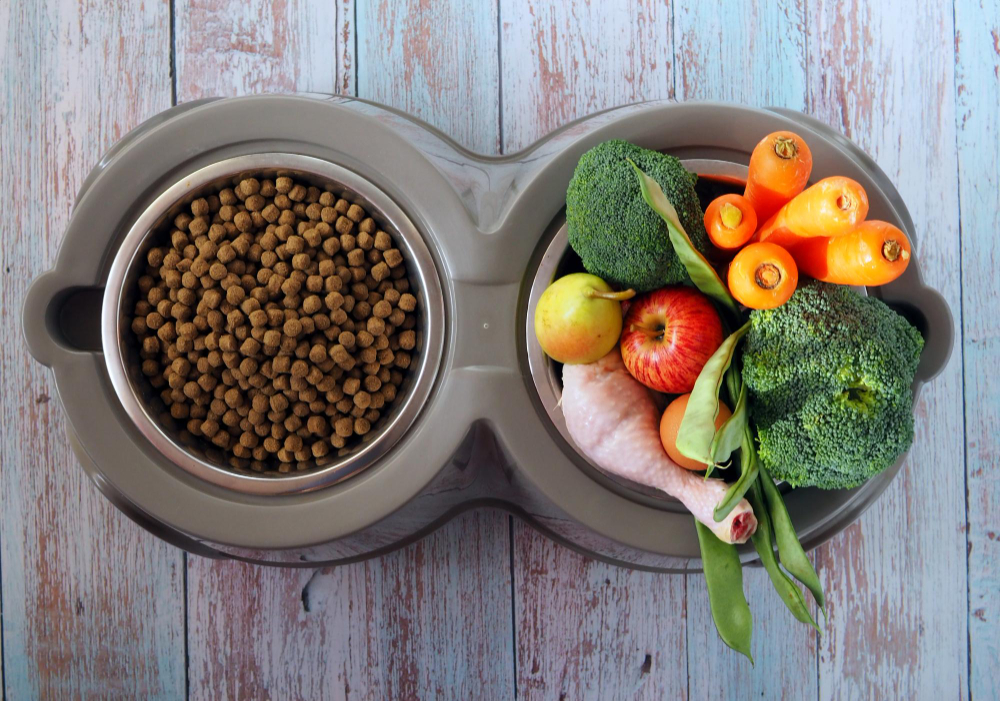
Pet nutrition is rapidly becoming a central concern for Indian pet parents—and with that comes the inevitable question: homemade or commercial? For veterinarians across India, this question is more than just a dietary preference. It's a daily conversation at the clinic, a balancing act of science, safety, practicality, and cultural norms. In a country where home-cooked meals are symbols of love and care, advising on pet nutrition requires both clinical precision and cultural empathy.
Nutritional Balance: Where Homemade Often Falls Short
The single most critical concern with homemade diets is nutritional imbalance. While chicken, rice, and vegetables may seem wholesome, they often miss the mark on vital micronutrients. According to a study by TANUVAS, 72% of homemade pet meals were found deficient in calcium, and 68% lacked adequate vitamin D—both essential for bone development and immune health, especially in puppies and senior dogs [1]. These deficiencies can quietly undermine a pet’s health over time.
Conversely, commercial diets—especially those adhering to AAFCO or FEDIAF standards—offer consistency and completeness. A 2021 analysis from Bombay Veterinary College reported that 80% of Indian dry dog food brands studied met recommended nutritional profiles for both adult maintenance and puppy growth [2]. However, not all kibble is created equal. Lower-end brands often compromise with poor-quality fillers and animal by-products, emphasizing the need for vet-led brand guidance.
Digestibility and the Hidden Gains
Clinical experience in Indian veterinary practice reveals noticeable improvements in coat quality, stool consistency, and energy levels when pets are switched from generic home-cooked meals to well-balanced commercial kibble. This observation isn’t just anecdotal. A study from Kerala found that commercial pet foods had a protein digestibility rate of 92%, while homemade chicken-rice diets lagged behind at 79% [3]. This disparity highlights the role of food processing, ingredient quality, and nutrient bioavailability.
Hygiene and Safety: The Silent Risk at Home
Food safety in Indian households is an often-overlooked issue. Reheating food, storing cooked meals at room temperature, or using leftovers is common. However, a survey from Karnataka revealed that 31% of sampled homemade diets were contaminated with Salmonella—a risk factor for both pets and their human companions [1]. On the other hand, commercial diets, especially dry kibble, undergo thermal processing and microbial checks, significantly lowering contamination risk when handled properly.
Therapeutic Use: When Homemade Has an Edge
Despite its shortcomings, homemade food has a crucial role—especially in managing medical conditions. For pets with chronic kidney disease, pancreatitis, or food sensitivities, a personalized, homemade diet can be a game changer. Unfortunately, access to veterinary nutritionists in India remains uneven. Many Tier 2 and Tier 3 cities lack trained professionals, forcing vets to remotely assist with formulation. In such scenarios, therapeutic commercial diets offer a practical interim solution—though affordability remains a barrier for some families.
Owner Compliance: Where Convenience Wins
A key factor influencing dietary success is owner compliance. Commercial pet foods come with clear feeding instructions, long shelf life, and easy portion control—all of which improve adherence. In contrast, preparing balanced homemade meals requires time, effort, and an understanding of supplementation—tasks that many pet parents, especially urban professionals, struggle to maintain consistently.
Conclusion: Bridging the Gap with Practical Advice
Ultimately, the answer isn’t binary. Commercial diets provide convenience, safety, and nutritional assurance—making them ideal for the average pet household. But when executed with veterinary guidance, homemade diets can offer powerful customization and care, especially in therapeutic contexts. Indian veterinarians must embrace a tailored approach—balancing science, safety, lifestyle, and client capability—to help pet parents make informed choices that support long-term pet health.
References
- Raghavan R, et al. (2022). Evaluation of Homemade Pet Food Practices in South India. Indian Journal of Veterinary Nutrition, 39(3): 185–192.
- Deshmukh A, Kulkarni S. (2021). Comparative Analysis of Commercial Pet Foods in the Indian Market. Journal of Animal Nutrition and Feed Technology, 21(4): 326–333.
- Pillai R, et al. (2020). Digestibility Study of Homemade vs Commercial Diets in Dogs. Veterinary World, 13(5): 950–955.
Related Contents
Article
Advanced Irrigation for Minimally Invasive Root Canal Cleaning
Root canal therapy has evolved significantly in recent years, shifting from aggressive mechanical...
Article
Test total views
test

Article
test total views 2
csssd
.jpg)
Article
test total views 3
hjgjghjh
Article
Testing test
Testing test
Article
safasfsaf
dgdsgds
Video
test screenshot
sdsads
Article
test survey 3
test survey 3